
How to zip tie cable to wall without drilling
Learn how to zip tie cable to wall without drilling using adhesive mounts and proper techniques for clean and damage free cable routing.
Tools and materials needed to zip tie cable to wall without drilling
Before starting, proper tools and materials ensure the cable is secured safely without damaging the wall surface. Using the right components also improves long term stability.
Adhesive cable mounts and surface anchors
Adhesive cable mounts are the key component for zip tie cable to wall installations without drilling. These mounts use strong pressure sensitive adhesive that bonds to smooth surfaces such as painted walls, metal panels, tiles, or plastic enclosures. Selecting mounts rated for the expected cable weight is essential to prevent detachment over time.
Choosing the right zip tie size and material
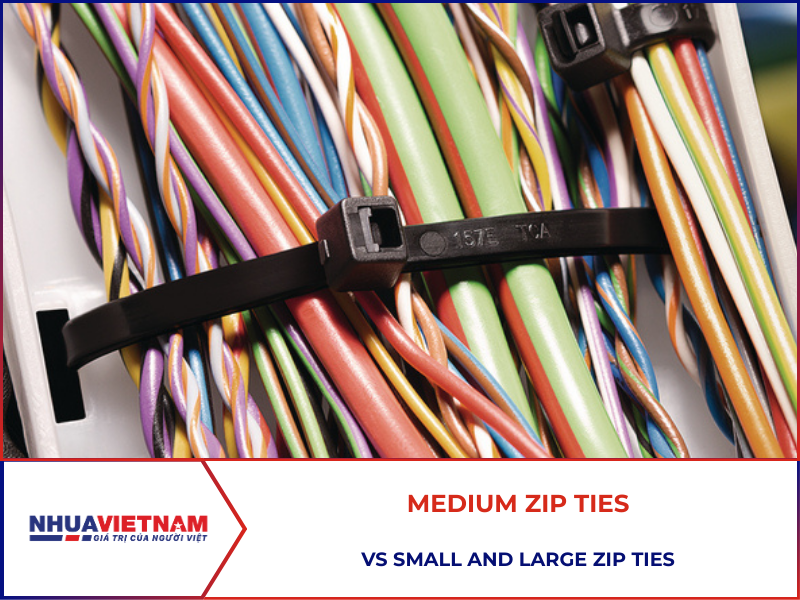
Zip ties should match the cable bundle size and application. Small to medium zip ties are usually sufficient for wall routing, while nylon zip ties offer flexibility and controlled fastening. For areas with light sunlight exposure, black UV resistant zip ties provide better durability.
How to zip tie cable to wall without drilling step by step
Following a structured process helps achieve clean and reliable results without compromising cable safety or wall integrity.
Preparing and cleaning the wall surface
The wall surface must be clean and dry for adhesive mounts to bond effectively. Dust, oil, or moisture reduces adhesive strength. Wiping the surface with alcohol and allowing it to dry improves adhesion and reduces the risk of mounts peeling off.
Installing adhesive mounts and securing cables with zip ties
Once the mount is placed firmly on the wall, allow the adhesive to set according to manufacturer instructions. Afterward, position the cable and loop the zip tie through the mount. Tighten just enough to hold the cable securely without compressing or deforming the insulation.
Best practices for safe and neat cable routing on walls
Proper technique ensures both functional and aesthetic results when zip tying cables to walls.
Maintaining proper cable spacing and bend radius
Cables should be routed with gentle curves rather than sharp bends. Maintaining appropriate spacing between mounts helps distribute weight evenly and reduces stress at fastening points, especially for longer cable runs.
Avoiding over tightening to protect cable insulation
Over tightening zip ties is a common mistake. Excessive force can damage cable insulation or internal conductors. Zip ties should be snug but allow minimal movement to accommodate temperature changes and prevent long term wear.
Limitations of zip tie cable to wall methods without drilling
While effective for many situations, adhesive based methods have limitations that must be considered.
Load and weight constraints of adhesive mounts
Adhesive mounts have specific load ratings. Heavy cable bundles or vertical runs with significant weight may exceed these limits, leading to failure. For such cases, alternative fastening methods may be required.
Unsuitability for heavy power cables or long term outdoor use
High voltage power cables or outdoor installations exposed to heat, moisture, and UV radiation often require more robust solutions. Adhesive mounts may degrade over time in these environments, reducing reliability.
When to consider alternative wall cable management solutions
Some applications demand more permanent or higher load cable management approaches.
Using cable clips raceways or trays for permanent installs
Cable clips, surface raceways, and wall mounted trays offer greater load capacity and long term stability. These solutions are better suited for fixed installations where drilling is acceptable.
Evaluating drilling options for high load or critical systems
For critical systems or heavy cables, drilling and mechanical fasteners provide the highest level of security. Although more invasive, they ensure consistent performance and compliance with safety requirements in industrial or commercial settings.


